Assessing Climate Risks in Real Estate: A Guide for Investors
Key Takeaways:
- Evaluate climate risks early by researching regional weather patterns, insurance costs, and environmental exposure before purchasing or expanding your real estate portfolio.
- Climate-related threats such as flooding, wildfires, extreme heat, and soil instability can reduce property values, increase operating costs, and disrupt rental income if left unaddressed.
- Diversifying across markets and investing in climate-resilient upgrades helps investors reduce risk, protect long-term value, and maintain stable returns in a changing environment.
Climate change is no longer a distant concern; it now has a real impact on our everyday lives. Unfortunately, this includes the real estate market. Rising temperatures, shifting weather patterns, and unexpected natural disasters directly impact property values, rental demand, and insurance costs, affecting the long-term investment performance.
Ignoring these risks can lead to unexpected expenses, reduced demand, and long-term depreciation.
Proactive risk management is now a critical part of smart investing. Understanding how climate change can impact properties will allow you to make informed decisions, protect your assets, and identify markets that remain resilient over time.
Want to learn more? Then keep reading! In this article, the team at
MTD Property Management will tell you how you can safeguard your investment from rising climate risks.
How Climate Change Affects Real Estate Investments
One of the biggest consequences of climate change is extreme weather conditions, from incredibly hot summers to freezing-cold winters. Extreme changes in temperature can lead to more wear and tear and increased maintenance and repair costs.
While these damages are bad for your bottom line in the short-term, it’s important to note that climate change also presents challenges to the long-term value and desirability of your real estate investment.
Properties in a high-risk area end up having higher insurance premiums and, often, less coverage due to the rising threat of natural disasters. Moreover, safety concerns lead to increased vacancies and declining
property values.
Major Climate Risks and Their Impact on Real Estate
Climate-related risks can significantly impact the financial performance and viability of real estate investments. These are the major risks investors should be aware of:
1. Flooding and Sea-Level Rise
Flooding is one of the most costly climate risks for real estate. Properties located in flood zones are at high risk of structural damage, mold issues, and serious repairs. Likewise, as sea levels rise, properties in coastal areas are at risk of flooding, erosion, and saltwater damage, which can greatly impact their desirability and overall value.
Investors may also face skyrocketing insurance premiums or difficulty obtaining coverage for these types of properties.
2. Extreme Heat
Rising temperatures can significantly impact an area’s desirability and profitability. Extreme heat or frequent heatwaves can increase cooling costs and energy demand, driving prospective tenants away. Older buildings, in particular, may require costly upgrades to remain comfortable and competitive, impacting investors’ bottom line.
3. Drought and Water Scarcity
Extended droughts strain water supplies, especially in arid or hot regions. Properties may face restrictions on water usage and increased utility costs. This can make certain areas less appealing for both tenants and buyers, leading to longer periods of vacancy or lower property values.
4. Wildfires
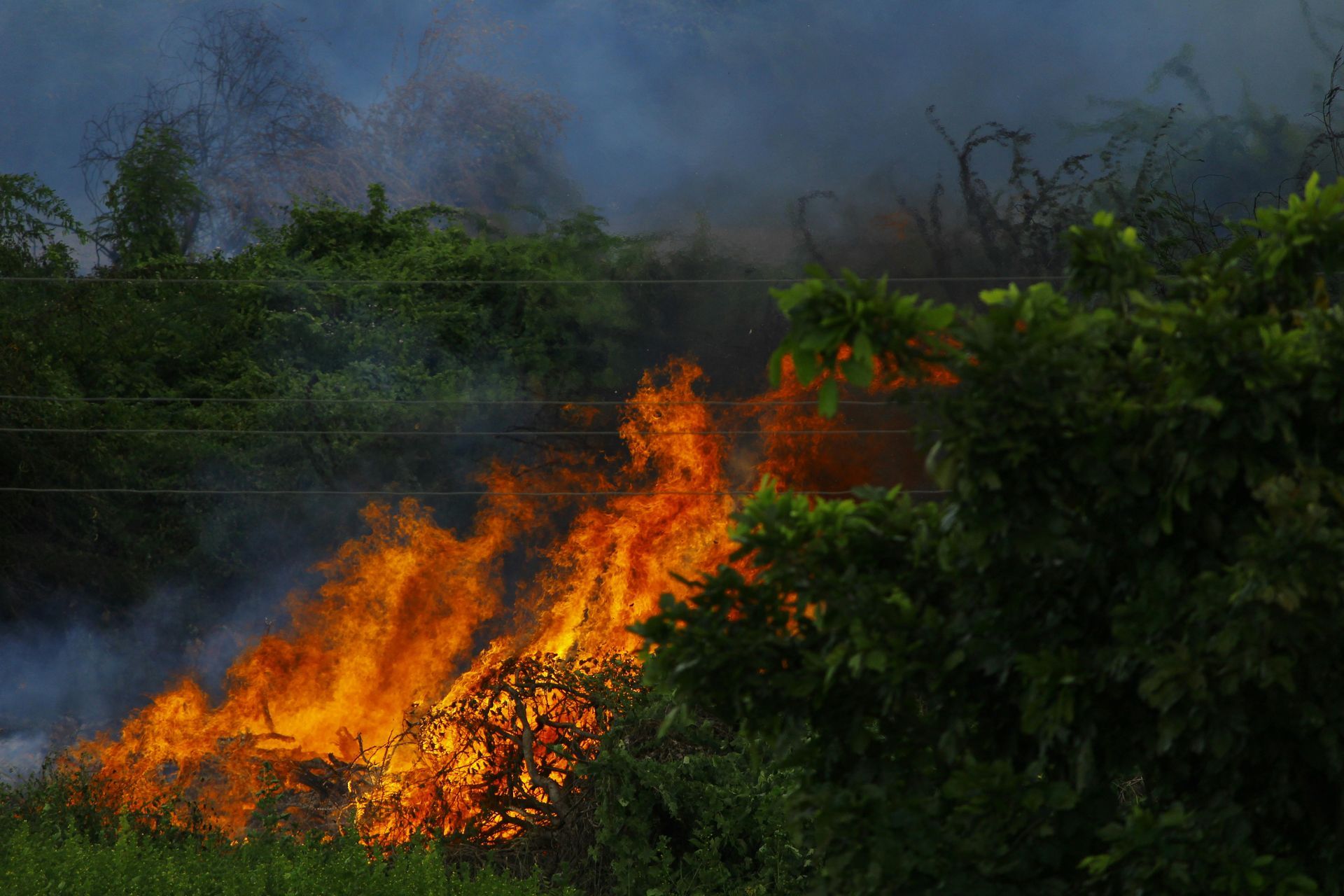
Wildfires pose a growing threat in dry and forested regions. Beyond immediate destruction, wildfire-prone areas often experience declining demand, stricter building codes, and higher insurance costs. Smoke damage and evacuations can also disrupt rental income, as tenants may break their lease early to move to a safer area.
5. Heavy Rainstorms and Hurricanes
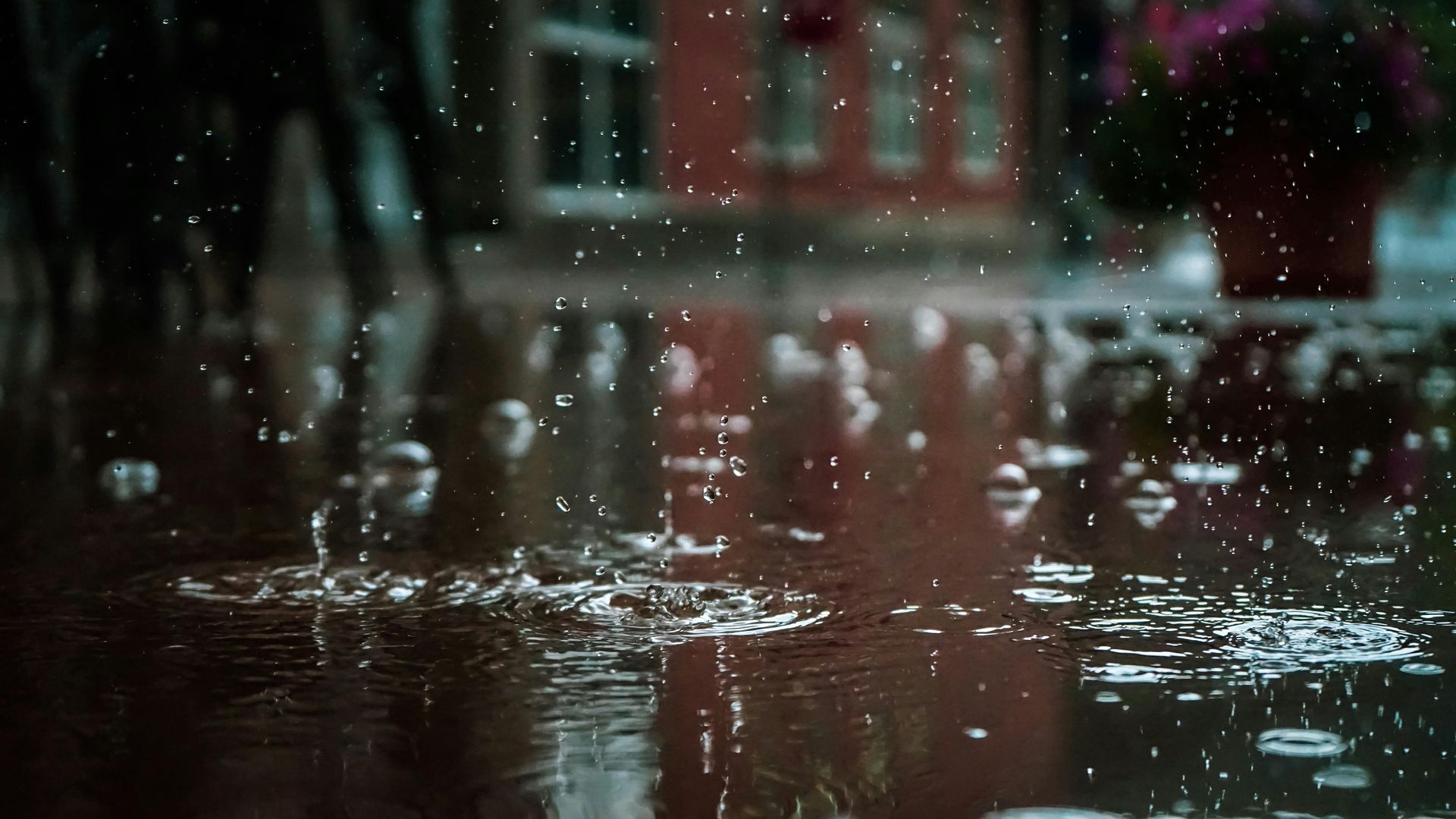
Heavy storms can lead to wind damage, fallen trees, power outages, and, in worst-case scenarios, flooding. On the other hand, hurricanes can lead to broken windows and
water damage. Even properties that survive major storms may suffer long-term depreciation due to repeated repairs and higher insurance deductibles.
6. Soil Erosion and Land Instability
Heavy rainfall and deforestation can lead to erosion, sinkholes, or landslides. These issues threaten foundations and can make properties unsafe or uninsurable. Unfortunately, most soil erosion and foundation issues are often overlooked until it’s too late, which results in exceedingly high repair costs.
If the problem goes on for too long, it can cause irreparable harm to your property’s profitability and desirability, as no tenant or buyer wants to live in a home with a poor foundation.
How Investors Can Effectively Assess and Prepare for Climate Risks
Climate change preparedness can go a long way for real estate investors. If you’re in the process of buying a home, you should still take the time to research regional climate data, flood maps, and historical weather patterns before closing any deals.
Reviewing FEMA flood zones, wildfire risk assessments, and local climate projections can provide valuable insights. It’s also important to factor insurance availability and costs into your financial analysis early in the process. Otherwise, you run the risk of losing tons of money by investing in a high-risk area.

If you already own an investment property, then it’s key to conduct at least one thorough property inspection a year. Pay close attention to drainage systems, roofing, foundations, and building materials, as these can be incredibly costly to repair or replace.
Staying informed about evolving regulations, zoning laws, and building codes ensures compliance and reduces liabilities.
If you want to build your portfolio but are worried about the potential risks of
climate change, you should look into investing in different markets. Diversifying across different locations and asset types can help reduce exposure to climate-related risks and losses.
Additionally, investing in climate-resilient upgrades, such as improved insulation, fire-resistant materials, or flood mitigation systems, can keep your investments protected.
Bottom Line
Believe it or not, climate change is reshaping the real estate landscape. From flooding and wildfires to extreme heat and water scarcity, these climate risks require investors to think outside the box to keep their investment protected. While climate risks introduce new complexities, they also present opportunities for informed, proactive investors.
By assessing environmental risks early, planning for emergencies, and adapting investment strategies accordingly, you can protect your assets, minimize losses, and expand your portfolio.
Want to learn more?
Contact MTD Property Management!
Blog