Should You Offer a Deal to Find New Tenants for Your Chicago Rental Property?
Key Takeaways:
- Tenant incentives can be a smart solution when vacancy costs outweigh concessions.
- The right incentives add value without lowering long-term rent.
- Incentives must be strategic, temporary, and paired with strong screening.
Finding tenants in a competitive rental market like Chicago isn’t always easy. The challenge is not just about outperforming other landlords in your area but also about surviving the mounting costs of maintaining a rental property when it is vacant.
That is because the real cost of a vacant rental property is not just the lost rent. It is the fact that you must pay out of pocket for the property’s ongoing expenses, such as mortgage, taxes, and utilities. This financial drain can wipe out previous months’ profits.
The longer the property stays vacant, the higher the risk of your investment failing. To fix this situation, you may be forced to consider unusual strategies like offering incentives to new tenants.
Is this something you should consider doing in your rental property?
MTD Property Management has put together this guide to help you decide.
When Concessions Make Sense for Chicago Landlords
Strong demand in many Chicago neighborhoods means that landlords can always find tenants to fill their rental properties. But there are situations when a landlord may need to do a little more to get renters to bite. For instance:
1. In Super-Competitive Neighborhoods
If other properties in the area offer updated amenities, you must find a way to grab renters’ attention. Tenant incentives offer a low-cost option to improve occupancy rates without the expense of adding luxury upgrades to your property.
2. During the Winter Months
In most rental markets, rental demand is lowest at the end of the year.
Winter is not the best time to have a vacant property. To attract tenants, a landlord with vacant rentals in winter may want to consider offering limited-time incentives.

3. For Higher-End Rentals
Owners of luxury apartments sometimes struggle to fill them because they cater to a very small tenant pool. To attract more qualified renters without lowering the rent, the landlord may want to consider offering renters an incentive.
Types of Deals or Incentives to Offer Your Tenants
The types of incentives you offer matter. Instead of attracting tenants to your rental, some deals have the opposite effect of lowering the perceived value of your property. Here are the best deals to offer tenants and what to think about before using these strategies.
1. First Month Free or Discounted
New tenants frequently struggle to cover moving costs, the first month's rent, and the rental’s security deposit. This offer works because it reduces the tenant’s upfront move-in costs. But it also helps you because you can maintain your standard rental rate.
Instead of at the start of the lease, some landlords offer a free month at the end of the lease to ensure tenants don’t break the agreement.
2. Gift Cards
Gift cards are the most versatile type of incentives you can offer new and old tenants. For instance, move-in perks offer gift cards for local food delivery, groceries, etc. You may also offer a small gift card to tenants who sign a lease within a short time of touring the property.
On-time rewards are small gifts to existing tenants who pay the rent on time for several months in a row. Some landlords offer a small gift to tenants who fill out a survey after the landlord completes a service request.

3. Waived or Reduced Fees
Instead of permanently lowering the rent, which can negatively impact the rental’s perceived value and its operations, you can offer short-term incentives. For example, you can sweeten your offer by waiving the application and screening fees.
For highly-qualified applicants, you may consider lowering the security deposit amount or waiving it altogether. Other commonly waived or reduced fees include parking, pet, amenity, and administrative fees.
4. Flexible Lease Terms
Flexible lease terms let you attract a different type of renter from the ones your property typically attracts. Instead of structuring the lease for long-term renters who you expect to stay for at least one year, you can target renters seeking a shorter lease.
This includes people relocating for work, school, and life transitions, or business people looking for short-term accommodation, etc. Flexible
lease terms can be a 6-month lease, month-to-month options, or mid-month move-in flexibility
5. Free Amenities or Upgrades
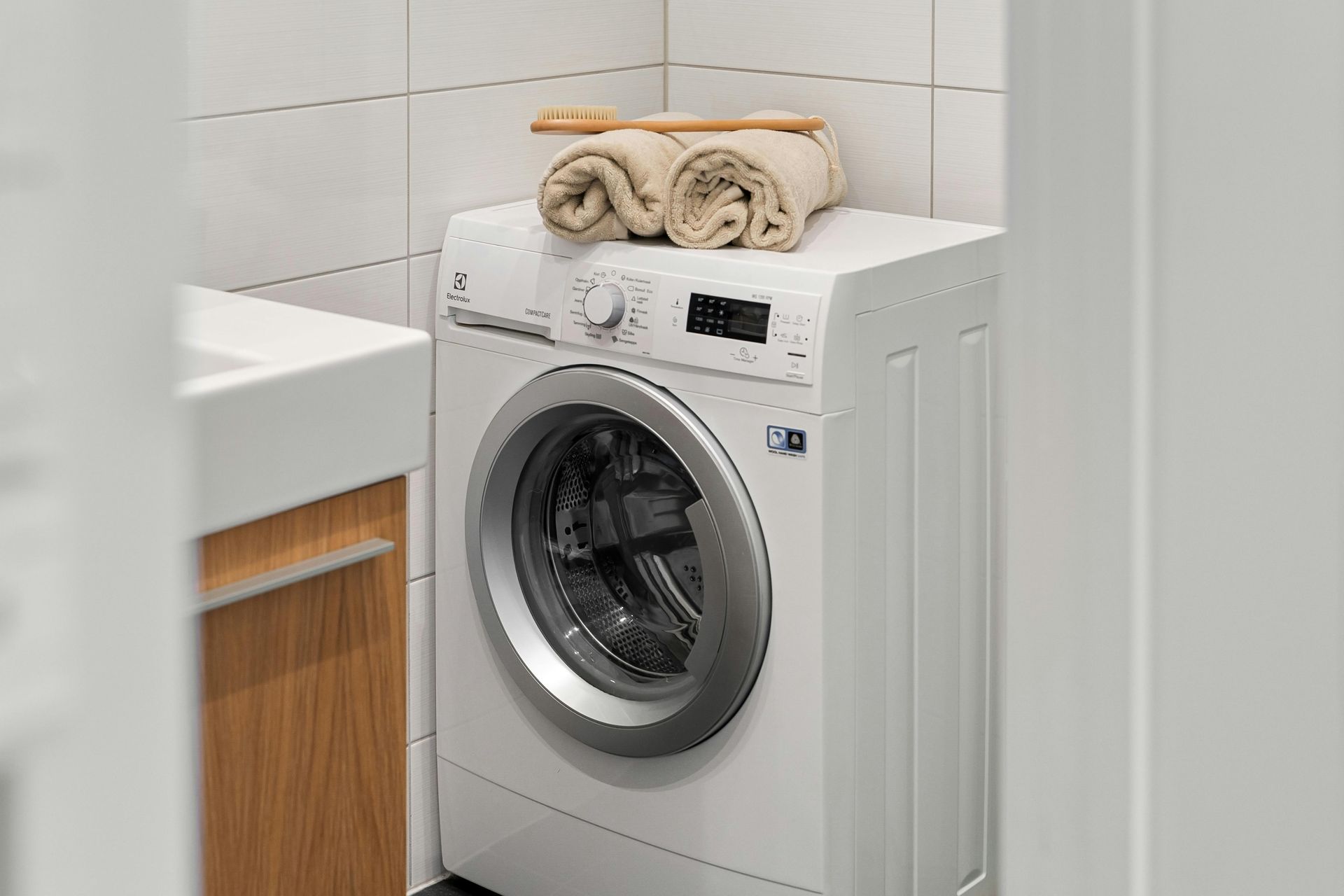
Offering tenants an incentive does not always mean reducing the rent. Sometimes it means offering added value in the form of upgraded or additional amenities, such as free Wi-Fi. gym memberships, free storage units, smart home upgrades, appliance upgrades, free parking, or free laundry access.
For tenants who commit to a longer lease or longer-term renewal, you may consider offering them extensive upgrades. This creates a win-win situation for both landlord and tenant.
Important Steps When Offering Incentives
The best incentives feel valuable to tenants while costing the landlord very little. When offering incentives, ensure or prioritize the following:
Keep Incentives Temporary
Limited-time offers help you create a sense of urgency without long-term impact on the rent. As an example, listings that include offers like “free six months parking” or “get one month free when you apply before the end of the month” give potential renters a reason to act fast.
Require Longer Lease Terms
It is a wise move to tie incentives to a 12- or 18-month lease. This helps you recoup the costs associated with the concessions. When requiring a longer lease, get the agreement in writing. If there are any upgrades tied to the deal, make sure they are clearly stated in the lease agreement.
Ensure Proper Screening
Without proper tenant screening, incentives are counterproductive because they attract the “wrong” kind of renters to your property. Even as you remove hurdles to make it easier for potential tenants to lease your property, ensure thorough background checks, income verification, rental history reviews, etc.
Calculate the Financial Impact
Before offering an incentive, compare the cost of the vacancy versus the cost of the incentive, the expected lease term, and the realities in your local market. This analysis helps you determine the impact on your ROI, whether the incentive is worth and the best type of concessions to offer.
Bottom Line
To sum up, never lose sight of the potential drawbacks when offering tenant incentives in your rental property. Two of the biggest issues with this strategy are the risk of attracting short-term renters who are primarily motivated by the incentives, and once you start offering incentives, it may be harder to maintain higher rental prices in the future.
To learn more about how to maintain a successful rental property business, contact
MTD Property Management today.
Blog