How to Prepare Your Rental for Winter
Key Takeaways:
- Proper winter preparation for Illinois rental properties protects against costly damage from frozen pipes, ice dams, and harsh weather while ensuring tenant safety and comfort.
- Sealing drafts, improving insulation, servicing heating systems, and maintaining smoke and carbon monoxide detectors are essential steps for winter readiness and legal compliance.
- Planning for exterior upkeep and snow removal, including gutters, downspouts, and sidewalks, prevents structural damage, slip-and-fall accidents, and municipal violations.
Is your Illinois rental property prepared to withstand the sub-zero temperatures and heavy snowfall typical of a Midwestern winter? Residents of the Prairie State are no strangers to the harsh seasonal shifts that can cause damage to a building.
From frozen pipes in Chicago to heavy snow accumulation in suburbs, the risks of neglecting winter preparation are high. Taking proactive steps before the first frost is the most effective way to protect your investment and ensure tenants remain safe and comfortable throughout colder months.
MTD Property Management put together this article to help landlords navigate winterizing rentals in Illinois. Property owners must balance maintenance tasks with local legal obligations, such as the Chicago Heat Ordinance, which mandates indoor temperatures during winter.
Failure to prepare can lead to emergency repairs, higher utility costs, and potential legal disputes with tenants. Following a structured winterization plan helps reduce these risks, ensuring smoother operations and protecting the
long-term value of your real estate investments.
Sealing the Building and Improving Insulation
The first line of defense against an Illinois winter is a well-sealed building. Cold air can easily penetrate a home through small gaps around windows and doors, forcing heating systems to work harder and increasing energy bills.
Landlords should inspect the weatherstripping on all entry points and replace any material that is cracked or compressed. Applying a fresh bead of exterior-grade caulk around window frames and where different building materials meet can prevent drafts and moisture intrusion.
In addition to sealing gaps, assessing insulation levels is a vital step for properties in colder regions. Attics and crawl spaces are common areas where heat loss occurs. Ensuring that these spaces have adequate insulation can significantly reduce the strain on the furnace.
If the property has older, single-pane windows, consider providing tenants with
window insulation kits or installing storm windows to add an extra layer of protection against the biting winds often felt in northern Illinois.
Protecting Plumbing and Preventing Frozen Pipes
Frozen pipes are one of the most common and expensive issues faced by Illinois property owners during the winter. When water freezes inside a pipe, the expansion can cause the metal or plastic to burst, leading to catastrophic water damage once the ice thaws.
To prevent this, all exterior faucets should be drained and shut off from the inside. Any exposed pipes in unheated areas, such as basements, attics, or garages, should be wrapped in foam pipe insulation.
During extreme cold snaps, it is helpful to instruct tenants to keep cabinet doors open under sinks to allow warm air to circulate around the plumbing. Maintaining a consistent thermostat setting, even when the property is vacant, is also essential.
Illinois law often requires landlords to maintain a minimum heat level, but practically speaking, the heat should never drop below 55 degrees Fahrenheit to ensure that pipes located within interior walls do not reach freezing temperatures.
Heating System Maintenance and Safety Inspections
A reliable heating system is a legal requirement for any rental property in Illinois. Before the heating season begins in earnest, the furnace or boiler should be professionally inspected and serviced. This includes cleaning the burners, checking the heat exchanger for cracks, and replacing air filters.
A clean system operates more efficiently and is less likely to fail during a blizzard when HVAC technicians are in high demand and difficult to schedule.
Safety is equally important when the heat is turned on. Because windows are kept shut during the winter, the risk of carbon monoxide poisoning increases. Landlords must ensure that carbon monoxide detectors and smoke alarms are installed and functioning correctly on every level of the home and near sleeping areas.
It is also wise to inspect the chimney and flues for any blockages or creosote buildup if the rental features a wood-burning fireplace, as these can pose a fire hazard or lead to smoke backup.
Preventative measures like these are key to protecting your investment in the cold months.
Exterior Upkeep and Snow Removal Preparations
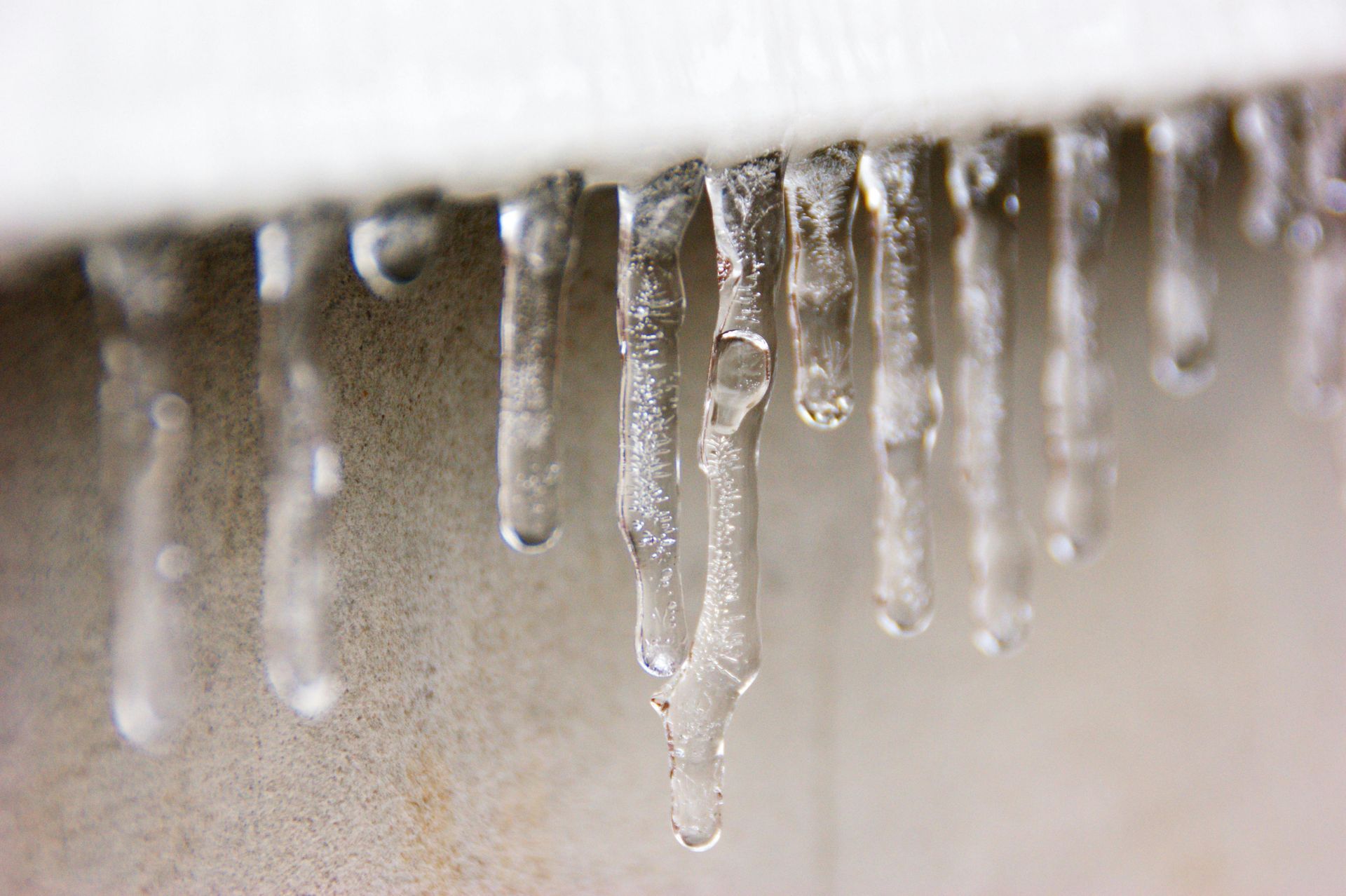
The exterior of the property requires specific attention to handle the weight of snow and the cycle of freezing and thawing. Gutters and downspouts must be cleared of leaves and debris in late autumn.
Clogged gutters can lead to ice dams, where melting snow refreezes at the edge of the roof and forces water under the shingles, causing leaks inside the walls and ceilings. Ensuring that downspouts direct water at least several feet away from the foundation will also prevent basement flooding during the spring thaw.
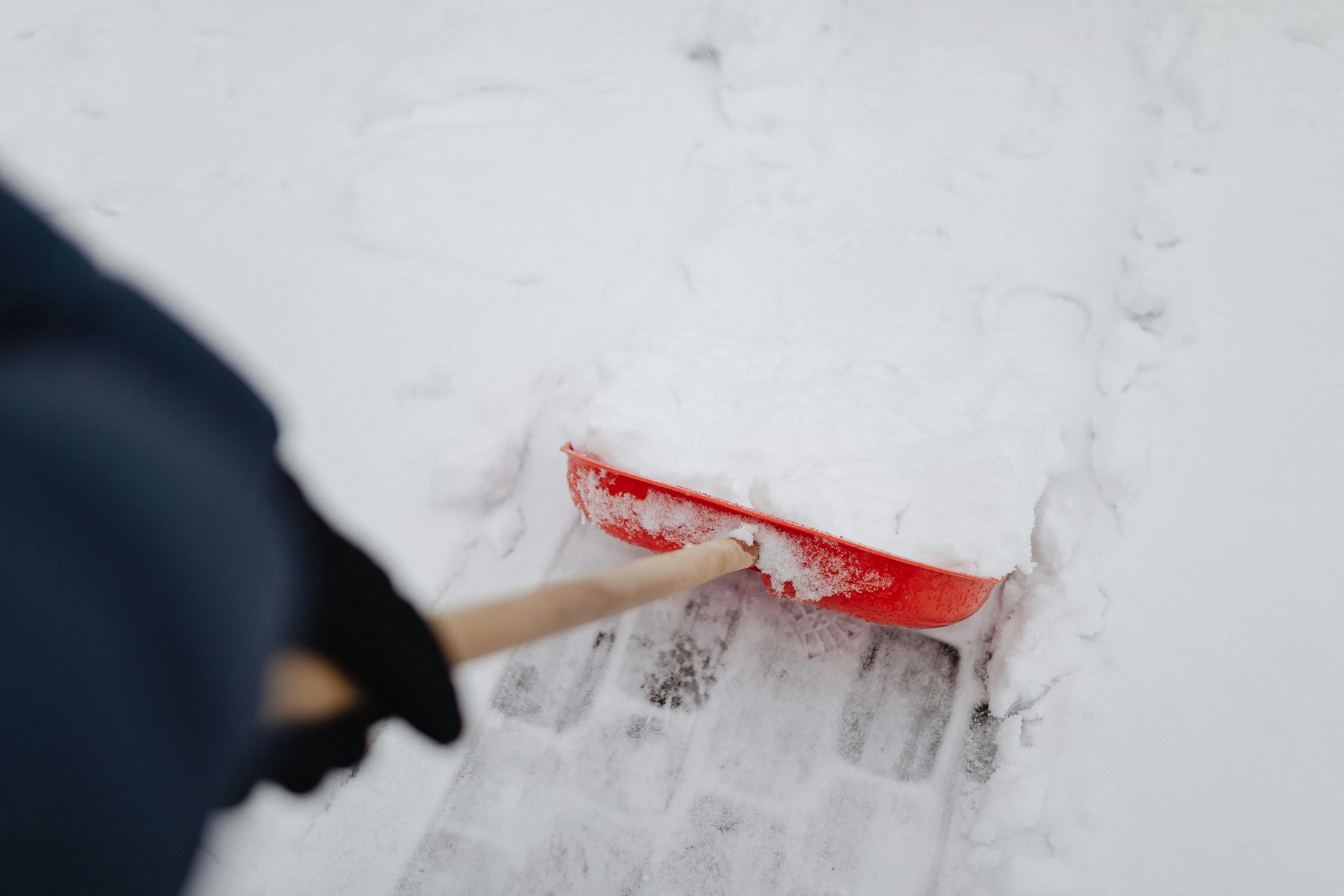
Snow removal is another critical consideration for Illinois landlords. You must clearly establish who is responsible for shoveling sidewalks and salting driveways to prevent slip and fall accidents. In many Illinois municipalities, there are strict timelines for clearing snow after a storm.
If the property is a multi-unit building, the landlord is generally responsible for common areas. Preparing for this by hiring a snow removal service in advance ensures that the property remains accessible and compliant with local ordinances.
Bottom Line
Preparing an Illinois rental property for winter involves a comprehensive checklist ranging from plumbing protection and HVAC servicing to exterior maintenance and insulation. These tasks are essential for preventing structural damage, reducing utility expenses, and keeping tenants safe during the state’s notoriously cold months.
By addressing these areas before the temperature drops, property owners can avoid the stress and high costs associated with emergency winter repairs and ensure their property remains a desirable place to live.
Managing seasonal transitions can be a burden for individual landlords, especially those with multiple units or who live far from their properties. MTD Property Management can help landlords by overseeing aspects of the winterization process, from coordinating professional inspections to handling emergency maintenance and snow removal.
Our team understands local climate and legal requirements specific to the region, allowing you to enjoy the benefits of your investment without seasonal headaches. Contact
MTD Property Management today to learn how we can protect your property this winter.
Blog