Why Single-Family Homes Are great for New Investors

Key Takeaways:
- A single-family rental can provide a relatively straightforward way for new investors to learn the fundamentals of owning and operating rental property.
- Evaluate the purchase price, financing, expected rent, operating expenses, location, and potential vacancy before deciding whether a single-family home fits your investment strategy.
- Single-family properties can appeal to a broad rental market, but demand and investment performance depend heavily on the individual property and local market.
Starting your first rental property investment can feel overwhelming. From choosing a market and securing financing to finding a property that fits your budget and investment goals, there are many decisions to make before you ever become a landlord. One of the most important is deciding what type of property to purchase.
For many first-time investors, a single-family home can be a practical place to start. These properties are familiar to most buyers and renters, generally have straightforward layouts and systems, and can appeal to a broad segment of the rental market.
They can also give new investors an opportunity to learn the fundamentals of rental property ownership before expanding into larger or more complex investments.
That does not mean every single-family home will be a good investment. Location, purchase price, financing, condition, expected rent, operating expenses, and long-term demand all need to be evaluated. However, for investors looking for a manageable way to enter real estate, single-family rentals can offer several advantages.
MTD Property Management has put together this guide for landlords interested in investing in a single-family home. Keep reading to learn more.
What Is a Single-Family Home?
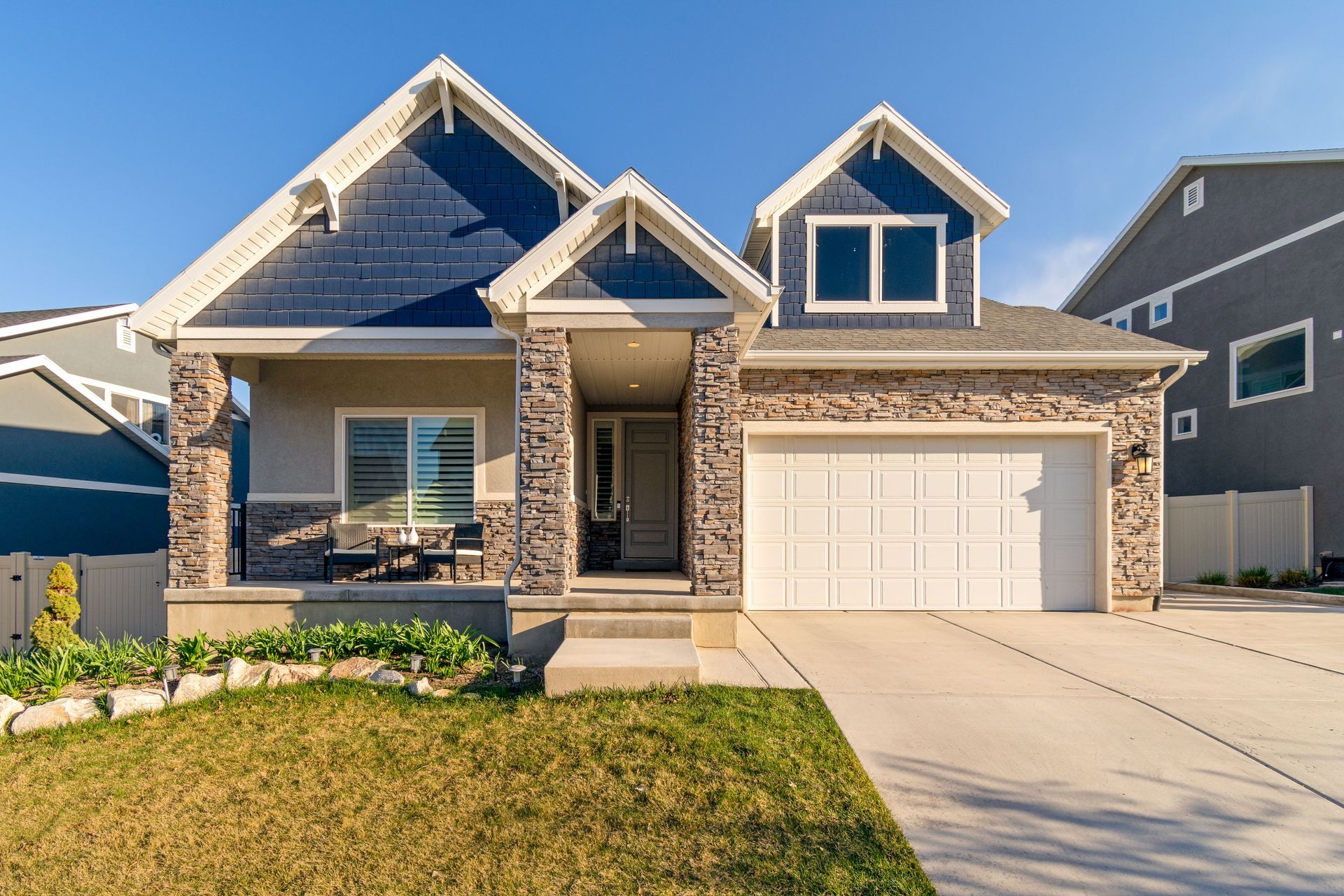
A single-family home is a residential property designed for one household. Unlike a multifamily building, it is typically a detached structure with its own entrance, yard, and major building systems.
Because the property is generally occupied by one household, an investor can evaluate the home as a single rental unit rather than managing multiple units within the same building.
This can make the financial analysis and day-to-day management easier to understand for someone who is new to rental real estate.
Why Invest in A Single-Family Rental Property
1. Single-Family Homes Can Have a More Accessible Entry Point
One of the biggest challenges for a first-time investor is finding an investment that fits within their available capital. Depending on the market, single-family homes may provide a more accessible entry point than larger multifamily or commercial properties.
Financing options can also be more familiar because single-family residential properties are a common type of real estate transaction. However, down payment requirements, interest rates, reserves, and loan terms vary based on the lender, the investor's financial situation, and whether the property will be owner-occupied or used strictly as a rental.
Before purchasing, investors should compare the total cash required to acquire and operate the property rather than focusing only on the down payment.
2. They Can Be Easier to Understand and Manage
A single-family rental generally has one tenant household and one set of major building systems to evaluate. That can make the property easier for a new investor to understand than a larger property with multiple units, tenants, and shared systems.
An investor still needs to budget for roofing, plumbing, HVAC, electrical systems, landscaping, appliances, and other expenses, but the overall operation can be relatively straightforward. This gives first-time owners an opportunity to become familiar with leasing, maintenance, budgeting, rent collection, and property inspections before taking on a larger portfolio.

Simplicity, however, should not be confused with passive ownership. Even one rental requires ongoing attention and responsible management.
3. Single-Family Rentals Can Appeal to a Broad Rental Market
Single-family homes can offer features that many renters value, including additional living space, private entrances, yards, garages, and greater privacy than some apartment settings.
The potential rental audience depends heavily on the property's location, price, features, and local market conditions. Investors should research comparable rentals before purchasing and determine whether there is sufficient demand for the type of home they are considering.
A well-located property that matches local rental demand can provide a solid foundation for a long-term investment strategy, but investors should avoid assuming that every single-family home will attract renters equally quickly.
4. They Can Offer Both Rental Income and Long-Term Appreciation Potential
Real estate investors generally look at both current cash flow and the property's potential long-term value. A single-family rental can provide
rental income while the investor builds equity through loan principal payments and, when market conditions support it, property appreciation.
Appreciation is never guaranteed, and investors should not purchase a property based solely on expectations that its value will increase. Location, economic conditions, housing supply, interest rates, property condition, and broader market trends can all affect future value.
Investors may also be able to improve a home's appeal through appropriate renovations or upgrades. Improvements should be evaluated based on their cost and potential impact on rental demand and property value rather than assuming every renovation will produce a positive return.
5. A Well-Positioned Rental May Help Limit Turnover
Turnover is an important expense for rental property owners.

When a resident moves out, an owner may need to prepare the property, market the rental, conduct showings, screen applicants, and address repairs or cleaning before the next tenancy begins.
Single-family homes can be attractive to renters looking for more space and a longer-term housing arrangement. However, investors should not assume that a particular property will automatically have low turnover. Retention depends on factors such as rental pricing, property condition, location, communication, maintenance, and the overall rental experience.
When evaluating a potential investment, it is useful to consider both expected rental income and the potential costs associated with vacancy and turnover.
6. Single-Family Homes Can Make It Easier to Scale Gradually
One of the advantages of starting with a single-family rental is the opportunity to learn before expanding. An investor can gain practical experience with financing, leasing, property maintenance, budgeting, tenant communication, and the other responsibilities that come with owning rental real estate.
Once an investor understands the economics and operational requirements of one property, they can decide whether expanding into additional single-family homes or other property types makes sense for their goals.
Some investors may use strategies such as the BRRRR method to grow a portfolio, while others may focus on buying and holding properties for long-term income and appreciation. The right strategy depends on the investor's finances, risk tolerance, market conditions, and investment objectives.
The Role of Professional Property Management
Owning a single-family rental may be simpler than managing a larger multifamily property, but it is still an active investment.

Marketing the property, handling applications, coordinating maintenance, collecting rent, communicating with residents, and keeping financial records all require time and organization.
As a portfolio grows, those responsibilities can become increasingly difficult to manage alone. Professional property management can take many of the day-to-day responsibilities off an owner's plate while allowing the investor to remain focused on evaluating new opportunities and managing their broader investment strategy.
Bottom Line
Single-family homes can be a practical starting point for new rental property investors because they combine relatively straightforward operations with the potential for rental income and long-term equity growth. However, the right property still requires careful financial analysis and ongoing management.
If you're considering your first rental property, contact
MTD Property Management to discuss how professional management can help you build and manage your investment portfolio.
Frequently Asked Questions About Investing in Single-Family Homes
Are Single-Family Homes A Good Investment For First-Time Investors?
A single-family home can be a suitable starting point for an investor who wants to learn the fundamentals of rental property ownership without immediately taking on a larger multifamily property.
The key is choosing a property that fits the investor's finances and objectives. Before purchasing, evaluate expected rent, operating expenses, financing costs, taxes, insurance, maintenance, and potential vacancy. A property that looks affordable at purchase may have very different investment results once all ongoing expenses are included.
How Do I Know If A Single-Family Rental Will Cash Flow?
Start by estimating the property's realistic rental income and subtracting recurring expenses such as mortgage payments, property taxes, insurance, maintenance, utilities paid by the owner, management costs, and an allowance for vacancy and turnover.
You should also account for larger periodic expenses, such as a roof or HVAC replacement, rather than looking only at the property's monthly income. A positive monthly difference does not automatically make a property a good investment, so investors should also consider their required return, financing structure, risk, and long-term objectives.
What Should I Look For When Buying My First Rental Property?
Look for a property whose location, condition, price, and features align with actual rental demand. Research comparable rental homes to determine whether the expected rent is realistic, then evaluate the property's major systems and likely maintenance requirements.
It is also important to understand the surrounding neighborhood, nearby amenities, employment centers, transportation options, and competing rentals. Rather than searching exclusively for the cheapest property, consider how the purchase price and expected operating costs affect the property's overall investment performance.
When Should A New Investor Consider Buying Another Rental Property?
There is no universal portfolio size or timeline that determines when an investor should expand. Before purchasing another property, review the performance of the existing investment, available cash reserves, financing capacity, and ability to handle additional operating responsibilities.
It is also important to ensure that the next property makes sense independently rather than assuming that portfolio growth alone will improve returns. Investors should consider whether they can comfortably manage the additional debt, maintenance requirements, and other risks associated with expanding their rental portfolio.
Blog