Emergency Maintenance 101: What Counts as an Emergency?

Key Takeaways:
- Create a written emergency maintenance policy that explains which conditions require immediate attention and how residents should report them.
- Treat no heat during Chicago's heating season, active leaks, safety hazards, and serious security concerns as emergencies that cannot wait for routine service.
- Establish a dependable after-hours contact system and vendor network so urgent repairs can be addressed quickly without leaving owners to manage every late-night call themselves.
It's late on a winter night in Ravenswood, and a tenant sends a message saying, “The heat is out.” Should you drop everything to respond, or can the issue wait until morning?
As a landlord, you will eventually receive a maintenance call after business hours. Knowing how to distinguish a true emergency from a frustrating but routine repair can help you protect your property, control costs, and respond appropriately when residents need assistance.
An effective emergency maintenance rental policy gives tenants clear expectations while helping owners avoid both overreacting to minor problems and overlooking serious conditions.
After decades of managing buildings throughout Chicago and nearby communities,
MTD Property Management understands the importance of having a clear process in place before an emergency occurs.
What Qualifies as a Rental Maintenance Emergency?
A maintenance emergency is generally a condition that threatens someone's safety, causes ongoing property damage, or affects a legal requirement if it is not addressed promptly. These situations require action as quickly as possible.
An actively leaking or burst pipe is one example, and no heat during Chicago's heating season is another clear emergency. A failed boiler or heating system should never be treated as a routine service request.
Gas odors or suspected gas leaks require immediate attention, but the first response should come from the tenant. Residents should leave the property and contact emergency services before notifying the landlord. A suspected gas leak is a safety emergency, not simply a maintenance ticket.
Electrical hazards also require prompt action. Sparking outlets, exposed wiring, burning smells near a breaker panel, or other signs of an electrical problem can create a serious fire risk.

Nonworking smoke or carbon monoxide detectors should also be addressed quickly. These devices are required for residential safety, and a failed detector can leave occupants without essential protection.
What Does Not Usually Qualify as an Emergency?
Not every maintenance issue that feels urgent after hours requires an emergency dispatch. Treating every repair as an emergency can increase costs, exhaust vendor relationships, and make it more difficult to respond quickly when a serious problem occurs.
A dripping faucet, running toilet, clogged garbage disposal, or loose cabinet handle will usually belong in the routine maintenance queue. The same is true of squeaky doors, minor cosmetic damage, and a dishwasher or washing machine that stops working.
A lack of air conditioning during mild weather is generally not an emergency, although the circumstances may change during dangerous heat. Likewise, a single dead outlet may be a routine repair if other outlets in the room remain functional and there are no signs of sparking, burning, or exposed wiring.
The distinction should be explained to residents before they move in. A clear policy helps tenants understand who to contact, how quickly different requests are handled, and which situations require immediate action.
Chicago's Heating Ordinance Makes No-Heat Calls Different
Chicago landlords should never treat a no-heat report casually during heating season. The city's heating requirements create a legal responsibility to maintain minimum indoor temperatures, making a heating failure more than a matter of comfort.
A no-heat call in a Chicago area building during the
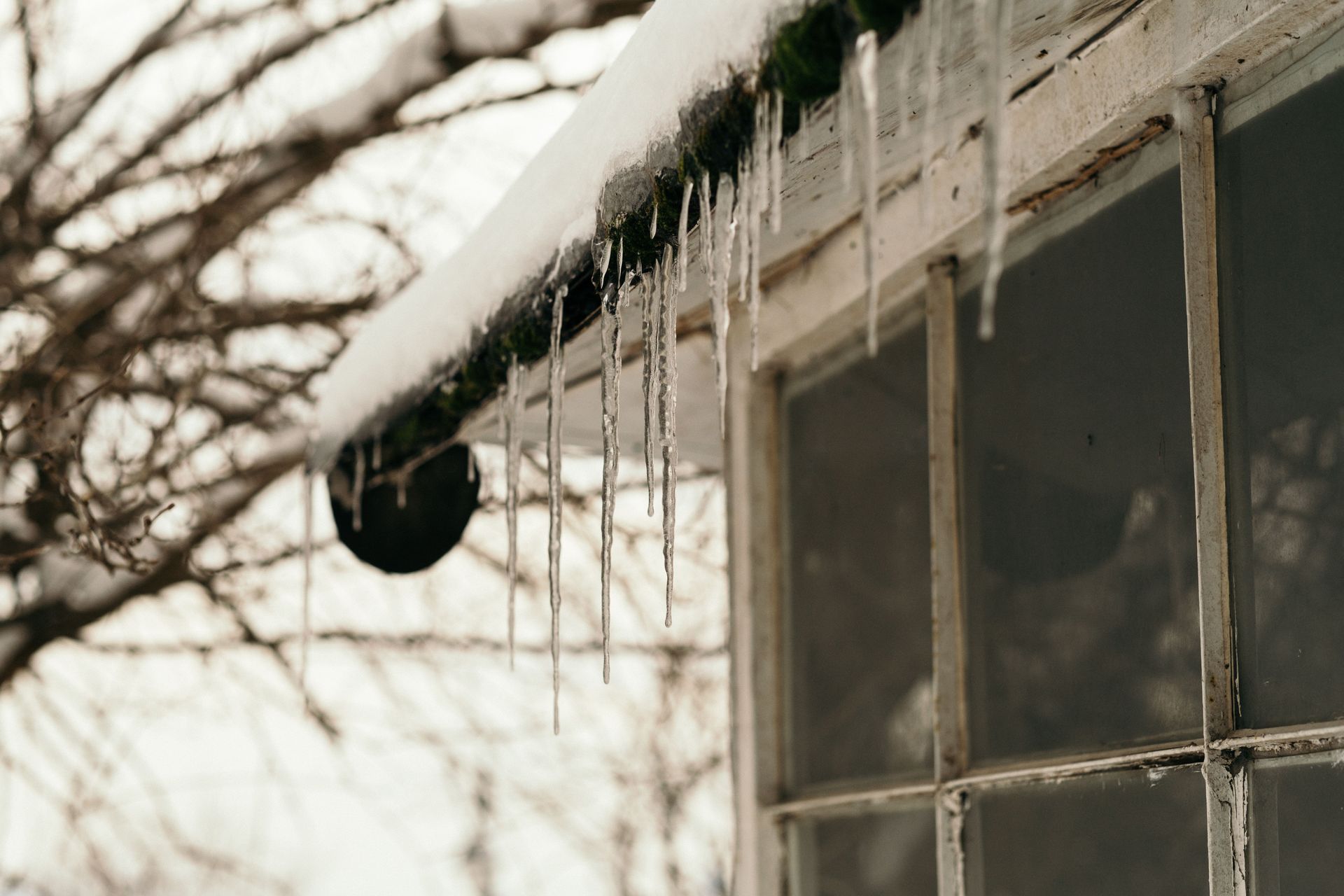
winter can also create additional property risks. In older buildings, a failed boiler or frozen line can lead to frozen pipes, water damage, and more extensive repairs if the issue is not addressed promptly.
Owners should review the Chicago Residential Landlord and Tenant Ordinance and consult qualified legal professionals when they need guidance about specific compliance obligations.
A Practical Framework for Evaluating Maintenance Calls
When a maintenance request is difficult to categorize, owners can use a straightforward decision framework.
Is Anyone in Immediate Danger?
Gas odors, electrical sparking, fire, flooding, and nonworking safety detectors may create immediate risks to occupants. If someone could be injured or exposed to a dangerous condition, the issue should be treated as an emergency.
Could Waiting Make the Problem Worse?
A slow drip contained under a sink may be able to wait until normal business hours. Water actively coming through a ceiling, however, can spread quickly and cause difficult to repair
water damage.
The potential for the problem to worsen should be part of the decision.
Can the Resident Safely Remain in the Property?
If a resident cannot safely occupy the unit until business hours, the issue may require emergency attention even if it does not fit neatly into a standard category. Safety and habitability should guide the final decision.
This framework helps owners avoid unnecessary after-hours charges while reducing the risk of ignoring a condition that could lead to property damage, resident dissatisfaction, or a legal dispute.
Establishing Clear Response Timelines
A written maintenance policy should explain how different categories of requests are handled. True emergencies should be dispatched immediately, with a qualified vendor contacted as quickly as possible.

Urgent but non-emergency issues may include a loss of hot water, a broken appliance, or a partial heating problem. These concerns should generally be addressed promptly during the next available service window.
Routine maintenance, including cosmetic issues and minor repairs, can usually be scheduled during normal business hours based on vendor availability and the overall needs of the property.
These timelines should be included in the lease materials or move-in information. Setting expectations in writing helps residents understand what to do during an emergency and gives owners a documented process for responding to maintenance concerns.
Building an After-Hours Emergency Contact System
Many self-managing owners struggle with after-hours maintenance because they either provide their personal cell number without clear boundaries or fail to give residents any emergency instructions at all.
Provide a Written Emergency Policy
Residents should receive clear instructions explaining what qualifies as an emergency, who they should contact, and what information they should provide. The policy should be included in the lease packet or welcome materials rather than communicated only during a walkthrough.
The policy should also explain what residents should do before calling the property manager. For example, a suspected gas leak requires the resident to leave the property and contact the gas company or emergency services first.
Use a Dedicated Emergency Contact Method
A separate emergency line can help distinguish urgent calls from routine maintenance requests. Depending on the management arrangement, the line may route to an owner, property manager, answering service, or on-call maintenance coordinator.

The important point is that the line must be monitored consistently, especially during heating season and other periods when weather can create additional risks.
Maintain Reliable Vendor Relationships
An emergency contact system is only useful if qualified vendors can be reached when problems occur. Owners should maintain current contacts for plumbing, heating, electrical, locksmith, and restoration services.
Long-standing vendor relationships can be especially valuable. When a boiler fails or a pipe bursts, an established relationship may make it easier to reach someone quickly and obtain more predictable service than calling an unfamiliar contractor under pressure.
Bottom Line
Emergency maintenance requires more than reacting quickly to a late-night call. Chicago rental owners need a clear policy that distinguishes safety and habitability risks from routine repairs. With written response expectations, reliable after-hours communication, and trusted vendor relationships, owners can respond more confidently while protecting their investment.
Our team provides hands-on property management and coordinated emergency maintenance support for rental owners throughout Chicago and nearby communities. Contact
MTD Property Management today to learn how professional management can help protect your property and provide dependable support when unexpected maintenance issues arise.
Frequently Asked Questions About Emergency Maintenance For Chicago Rental Properties
How Should Owners Prepare For Emergency Maintenance During Chicago Winters?
Owners should review heating systems before winter, confirm that emergency contacts are current, and maintain reliable relationships with qualified HVAC and plumbing vendors.
They should also make sure residents know how to report a no-heat issue and understand what to do if a pipe freezes or water begins spreading through the property.
Older buildings may require additional attention because aging boilers, plumbing, and insulation can create greater exposure to winter-related problems.
Who Is Responsible For Emergency Maintenance Costs?
Responsibility for emergency maintenance costs depends on the cause of the problem, the lease, applicable law, and the management agreement.
Owners are generally responsible for maintaining required building systems and addressing conditions that affect safety or habitability, while residents may be responsible for damage caused by negligence or misuse when permitted by law.
Property owners should avoid making assumptions based only on the timing of the call.
How Can Property Managers Reduce Emergency Maintenance Problems?
Property managers can reduce emergency maintenance problems through preventative repairs and inspections, timely repairs, clear resident communication, and reliable vendor coordination.
Monitoring recurring issues can help identify aging equipment or building systems that need attention before they fail.
A manager can also maintain detailed maintenance records, track unresolved concerns, and coordinate repairs with professionals familiar with the property's layout and equipment.
What Information Should A Tenant Provide During A Maintenance Emergency?
Residents should provide the property's address, unit number, a clear description of the problem, and information about whether anyone is in danger or whether damage is actively spreading.
Residents should also explain whether utilities are affected, whether water can be shut off, and whether emergency services or the gas company have already been contacted.
Why Are Emergency Maintenance Records Important For Rental Owners?
Emergency maintenance records help owners document what happened, when the issue was reported, how the response was handled, and what repairs were completed.
These records can support budgeting, insurance coordination, preventative maintenance planning, and communication with residents. They may also be useful if questions arise about property conditions or the timing of a repair.
Blog