Working From Home: Effects on Housing Demand
Key Takeaways:
- The shift to remote work has moved housing demand in Chicago away from commute-driven locations toward homes that offer space, flexibility, and everyday livability.
- Renters now prioritize functional layouts, work-ready features, and neighborhood quality, reshaping pricing dynamics and competitive positioning across the rental market.
- Properties that adapt to longer tenant stays, higher usage, and increased expectations are better positioned for stable performance in a work-from-home environment.
Chicago has always been shaped by proximity, specifically proximity to downtown jobs, transit lines, and commercial hubs. But as working from home becomes a lasting part of the labor landscape, that equation is shifting. Where people choose to live, how they use their space, and what they expect from a rental have all changed.
For property owners and investors, the impact goes beyond tenant preferences. It’s reshaping demand patterns, pricing dynamics, and long-term investment strategy across the city. The team at
MTD Property Management has put together this guide to help real estate investors navigate this changing landscape.
A Shift From Location to Function
For decades, housing demand in Chicago was driven largely by commute time. Living close to the Loop or major transit lines carried a premium because it saved time and offered convenience.
Remote work has reduced that dependency.
Now, renters are evaluating homes based on how well the space supports daily living, not just how quickly they can reach an office. This subtle shift has changed the value of certain locations, particularly in neighborhoods where space and livability outweigh proximity.
The result is a rebalancing rather than a decline in demand. Central areas remain relevant, but they now compete with neighborhoods that offer more flexibility.
Space Is No Longer a Luxury
One of the clearest changes is the growing importance of space.
Homes are no longer just places to relax, they’ve become work environments. This has increased demand for additional bedrooms or flexible rooms, layouts that allow separation between work and living areas, and quiet environments suitable for long periods of focus.
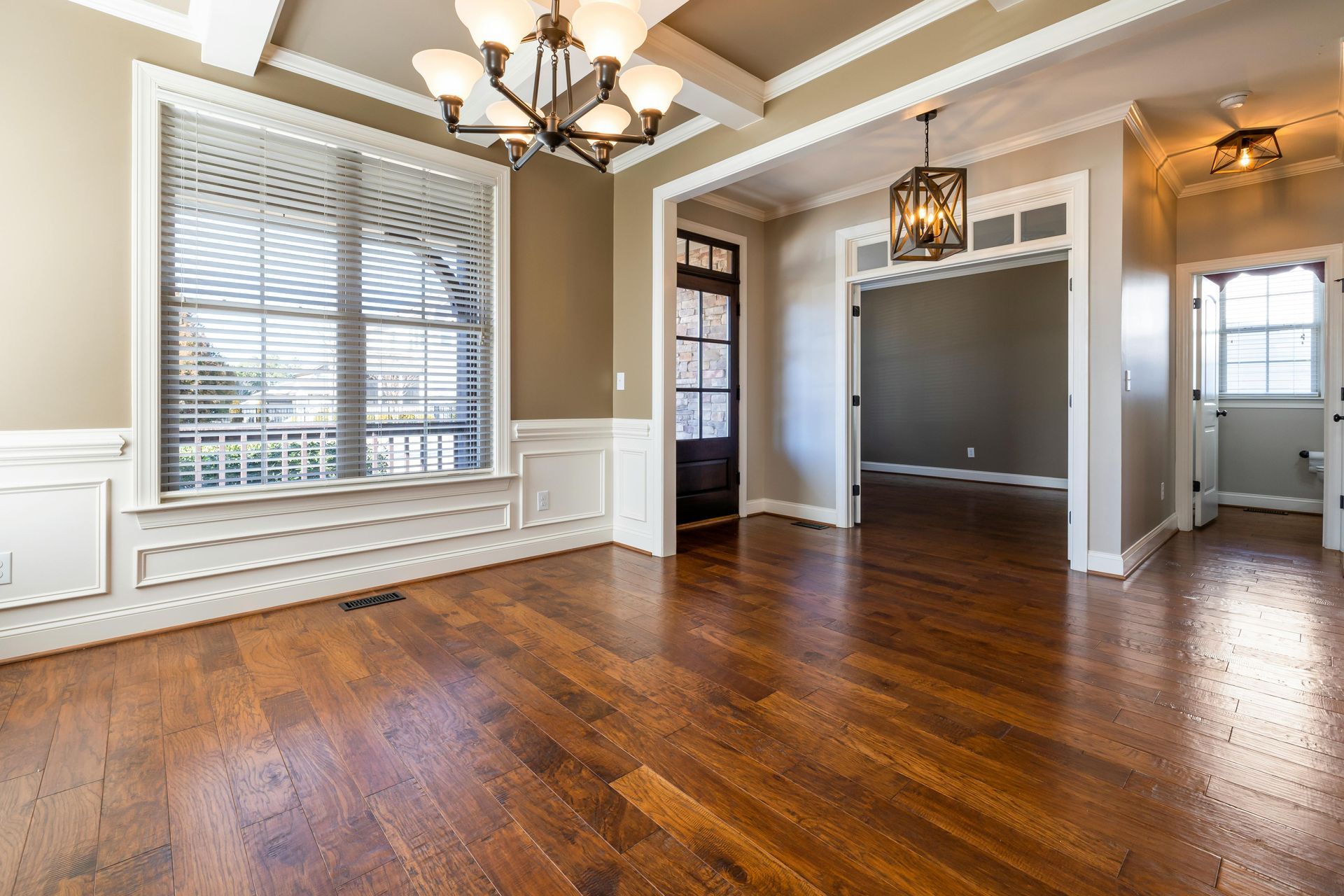
In Chicago’s rental market, this trend is especially visible in units that offer extra square footage or adaptable layouts. Even smaller units are expected to accommodate some form of workspace.
Functionality has become just as important as size.
The Rise of “Work-Ready” Features
Beyond square footage, renters are prioritizing features that support productivity.
High-speed internet, reliable connectivity, and good natural lighting are no longer optional, they’re expected. Properties that provide these essentials tend to stand out, especially among professionals who rely on stable work environments.
Other in-demand features include built-in desks or designated work areas, sound insulation in multi-unit buildings, and access to shared workspaces within the property.
These details may seem minor, but they directly influence how tenants experience the space day to day.
Neighborhood Preferences Are Expanding
With less need to commute daily, renters are reconsidering where they want to live.
In Chicago, this has led to increased interest in quieter residential neighborhoods, greater appeal for areas with access to parks and open space, and a broader search radius beyond traditional “prime” locations.
Neighborhoods that balance livability with accessibility are seeing renewed attention. Renters are weighing lifestyle factors, such as walkability, green space, and overall environment, more heavily than before.
This doesn’t eliminate demand in urban cores, but it redistributes it.
Urban Units Must Compete Differently
For properties in high-density areas, the shift introduces new challenges.
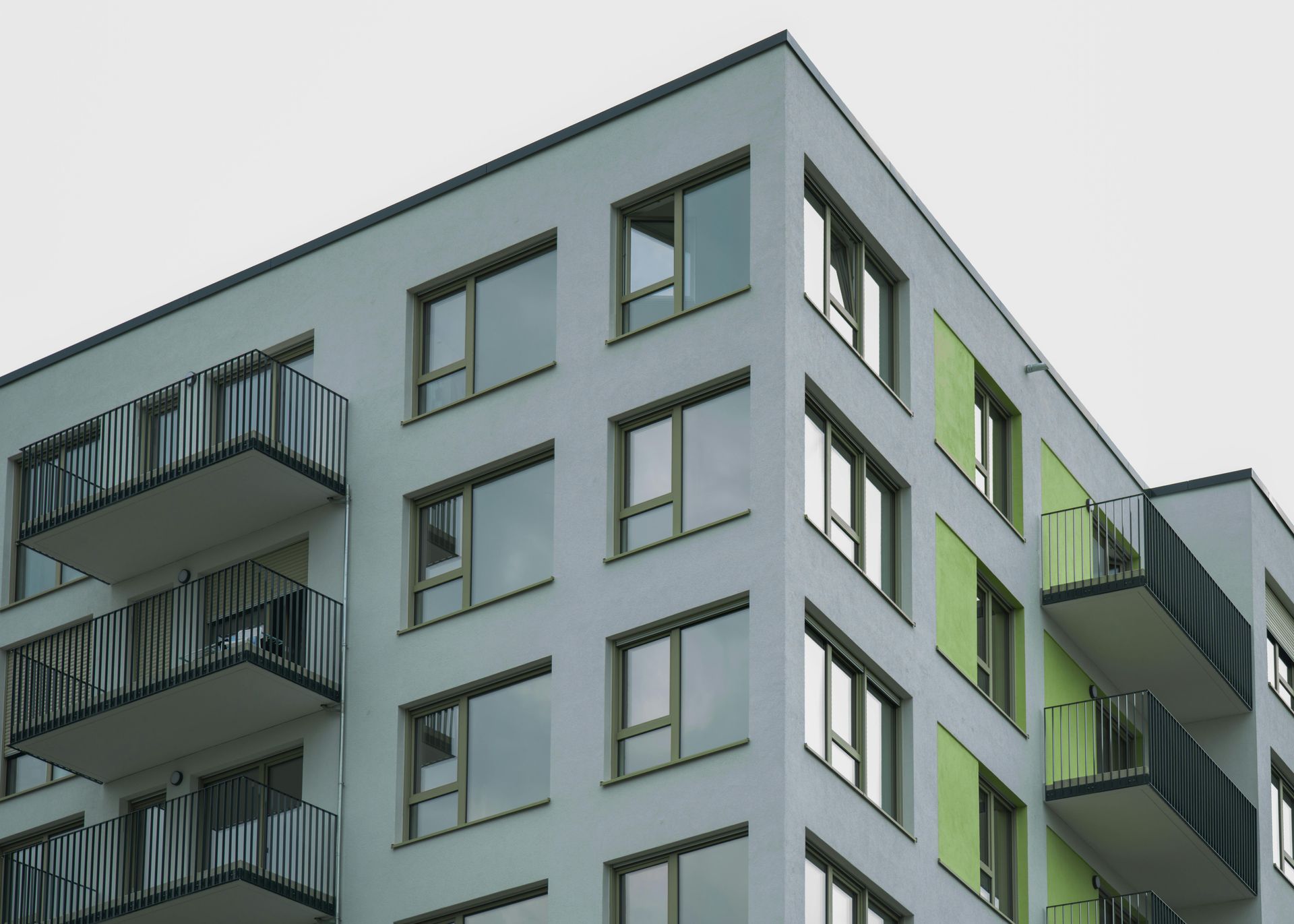
Units that once relied on location alone now need to offer more in terms of comfort and usability. Smaller apartments, in particular, may face pressure if they lack flexibility or dedicated work areas.
To remain competitive, urban properties may need to reconfigure layouts where possible, highlight nearby amenities that support remote lifestyles, and emphasize convenience beyond commuting.
The goal is to reposition the value of the property in a way that aligns with current tenant priorities.
Subtle Changes in Pricing Dynamics
Remote work has also influenced how rents are distributed across the market.
Larger units or homes with extra rooms are often commanding stronger demand, which can support higher pricing. At the same time, properties that lack flexibility may need to adjust expectations to remain competitive.
In Chicago, this creates a more segmented market. Properties that meet remote-work needs may outperform properties that don't require repositioning. Pricing is no longer driven by location alone, it’s tied to how well the property supports modern living patterns.
Longer Stays, Higher Expectations
Another shift is how tenants approach their leases.
When home becomes the primary environment for both work and daily life, stability becomes more important. Many renters are seeking longer-term arrangements, but with that comes higher expectations for responsiveness, maintenance, and overall quality.
For landlords, this means faster response times for maintenance issues, consistent communication, and reliable property management systems. Tenants who spend more time at home notice more, and expect more.
Increased Wear and Operational Demands
More time spent in a property naturally leads to increased usage.

This can result in faster wear on flooring, appliances, and fixtures, more frequent maintenance requests, and greater attention to property condition.
For Chicago landlords, this reinforces the importance of preventative maintenance and regular inspections. Staying ahead of issues helps maintain both tenant satisfaction and property value.
Technology Is Now Part of the Standard
Technology has become a central part of how properties are marketed and managed.
Virtual tours, online applications, and digital lease processes have become standard expectations. At the same time, smart home features, such as thermostats or security systems, are gaining traction as value-adds.
Technology and AI tools not only attract tenants but also streamline operations, particularly for owners managing multiple units.
Adapting to a New Baseline
Remote work is no longer a temporary trend, it’s part of the current baseline.
For investors in Chicago, this means evaluating properties based on adaptability, prioritizing layouts and features that support flexible living, and monitoring how demand shifts across neighborhoods.
The most resilient properties are those that can accommodate changing lifestyles without requiring constant reinvention.
Final Takeaway
Working from home has reshaped what tenants value, specifically prioritizing space, functionality, and everyday livability.
For Chicago property owners, adapting is key to staying competitive. Properties that align with these expectations are better positioned to attract and retain tenants over time.
Tenant expectations are shifting, and staying competitive takes more than small adjustments. A professional property management team can help you align with demand and improve performance.
Partner with experts who turn evolving trends into lasting investment value. Contact
MTD Property Management today to get started.
Blog